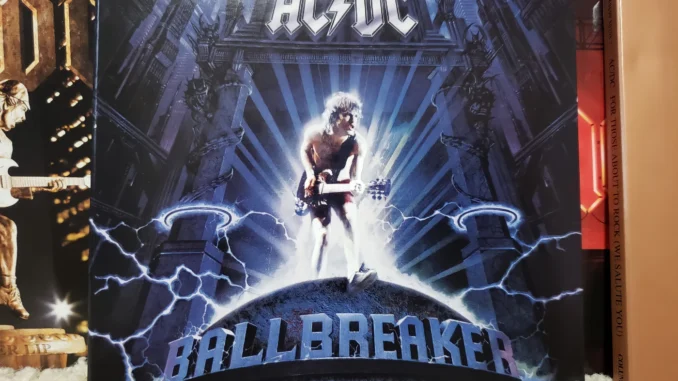
By the mid-to-late 1980s, AC/DC – the thunderous Aussie hard rock outfit who had conquered the world with Highway to Hell (1979) and Back in Black (1980) – found themselves in a strangely unfamiliar position: they were no longer rock’s unstoppable juggernaut. After years of stadium dominance, their albums weren’t shaking the charts quite like they once had, and some critics had started whispering about whether the band’s best days were behind them.
What followed was a remarkable two-album comeback in the 1990s – The Razor’s Edge (1990) and Ballbreaker (1995) – that not only re-energized AC/DC’s career but reasserted their relevance in a rapidly changing rock landscape. It’s a story of persistence, reinvention, and a stubborn refusal to compromise their core identity, even while experimenting with new producers and sonic approaches.
Losing Their Way in the ’80s
To understand the resurgence, we need to rewind to the 1980s. After the back-to-back commercial triumphs of Back in Black and For Those About to Rock (We Salute You), AC/DC’s output – while never truly bad – began to feel a bit formulaic. Albums like Flick of the Switch (1983), Fly on the Wall (1985), and Blow Up Your Video (1988) didn’t capture the same magic for the wider public.
The band still toured hard and retained a loyal following, but rock music’s landscape was shifting. MTV had changed how audiences discovered bands, glam metal was dominating the charts, and by the late ’80s, the grunge wave was brewing in the background. AC/DC’s gritty, blues-rooted hard rock felt almost out of step with the glossy production trends of the era.
As Angus Young later admitted in interviews, there was a sense they needed to find a jolt of creative energy to kick-start a new chapter.
The Razor’s Edge – The Sound of a Band Reborn (1990)
That jolt arrived in 1990 with The Razor’s Edge, an album that stripped away much of the over-polished sheen of the mid-’80s and delivered a leaner, harder-hitting sound. Produced by Canadian maestro Bruce Fairbairn – fresh off mega-success with Bon Jovi and Aerosmith – the record struck a balance between AC/DC’s classic riff-heavy swagger and the punchy, radio-ready production of the era.
Key Tracks That Defined the Revival
- “Thunderstruck”: The song’s electrifying opening riff, penned by Angus Young, became one of the most recognizable in rock history. It was a shot of adrenaline that reminded the world why AC/DC were kings of the stadium anthem.
- “Moneytalks”: A cheeky, high-energy single that climbed to No. 23 on the Billboard Hot 100, proving the band could still crack the charts.
- “Are You Ready”: Pure riff-driven confidence, tailor-made for live shows.
Fairbairn’s production brought clarity and power without sacrificing grit. The album sold over five million copies in the US alone and rejuvenated AC/DC’s commercial fortunes. The Razor’s Edge World Tour became one of their most successful runs, introducing the band to a new generation of fans.
Between Albums – Change, Reflection, and a New Direction
Following the Razor’s Edge success, AC/DC spent the early ’90s riding high again. But as the grunge movement peaked, there was a renewed pressure to keep their momentum. The band also experienced a key lineup shift: drummer Chris Slade, who had brought a distinctive precision to The Razor’s Edge, would soon make way for the return of classic-era sticksman Phil Rudd.
Enter Rick Rubin, the producer famed for working with everyone from the Beastie Boys to the Red Hot Chili Peppers and Johnny Cash. Rubin’s minimalist, back-to-basics approach appealed to Angus and Malcolm Young, who wanted the next album to feel raw and unfiltered.
Ballbreaker – Back to the Roots with Rick Rubin (1995)
Recording Ballbreaker was anything but straightforward. Rubin’s reputation for pushing artists to capture the perfect take meant AC/DC were in for an intense process.
As Angus recalled with a mix of admiration and exhaustion:
“Rick would say: ‘We’ll try that song a different way.’ You’d be sitting there going: ‘Jesus, I’m sick of this bloody thing.’”
Rubin encouraged them to dig deep into their early blues-rock DNA. The result was an album with fewer radio-ready choruses than The Razor’s Edge, but a heavier, more groove-driven sound that resonated with longtime fans.
Standout Cuts from Ballbreaker
- “Hard as a Rock”: A muscular lead single that announced AC/DC were still delivering riffs as heavy as a wrecking ball.
- “Cover You in Oil”: Playful, cheeky, and unmistakably AC/DC.
- “Hail Caesar”: A mid-tempo stomper with a touch of the band’s trademark tongue-in-cheek humor.
Commercially, Ballbreaker didn’t quite match The Razor’s Edge, but it still went multi-platinum and topped charts in several countries. More importantly, it solidified AC/DC’s identity at a time when many veteran rock bands were struggling to adapt.
Why These Albums Worked – and Why They Still Matter
The one-two punch of The Razor’s Edge and Ballbreaker worked because AC/DC embraced evolution without dilution.
- The Right Producers at the Right Time
- Bruce Fairbairn gave The Razor’s Edge a crisp, modern edge without neutering the riffs.
- Rick Rubin stripped things back on Ballbreaker, reconnecting the band with their roots.
- Signature Riffs, Timeless Energy
- Angus Young’s guitar work remained the core — dynamic, bluesy, and instantly recognizable.
- Brian Johnson’s Vocals
- Johnson’s raspy wail brought both menace and mischief, fitting perfectly with the band’s tone in the ’90s.
- Live Power
- Songs from both albums became setlist staples, with “Thunderstruck” evolving into the ultimate AC/DC concert opener.
The Legacy of the ’90s Revival
Today, The Razor’s Edge and Ballbreaker are seen not just as strong late-period albums, but as pivotal works that kept AC/DC in the cultural conversation. Without them, it’s hard to imagine the band’s triumphant later-era runs, including Black Ice (2008) and Power Up (2020).
The Razor’s Edge Tour in particular marked a turning point: iconic stage designs, packed stadiums, and a reaffirmation of AC/DC’s status as one of the most reliable live acts in rock history. Meanwhile, Ballbreaker showed they could work with a high-profile producer like Rubin and still sound like themselves — uncompromising, loud, and unapologetically AC/DC.
A Band That Refused to Fade
The 1990s could have been a quiet decade for AC/DC, overshadowed by younger bands and shifting trends. Instead, they used it to prove that their brand of rock ’n’ roll — riff-heavy, blues-soaked, and driven by sheer volume — was timeless.
The Razor’s Edge gave them a commercial resurgence, while Ballbreaker cemented their creative integrity. Together, they form a vital chapter in AC/DC’s story: one where the band stared down the possibility of decline and chose, instead, to turn the amps up louder than ever.
As Angus Young once said, summing up the band’s philosophy:
“It’s not about chasing trends. It’s about doing what we do best — and doing it harder than anyone else.”
And with those two albums, that’s exactly what they did.
Which is your favorite track from AC/DC’s ’90s revival era – the stadium-ready “Thunderstruck” or the stripped-down punch of “Hard as a Rock”? Let us know in the comments and join the conversation using #ACDCReturnToForm.
Leave a Reply