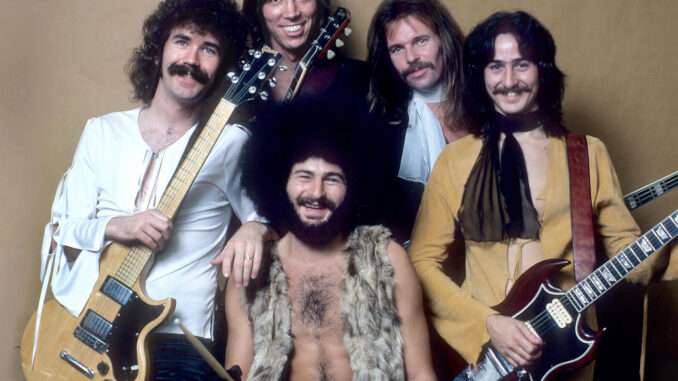
Boston, the iconic rock band named after their hometown and beloved for anthems like *More Than a Feeling*, *Peace of Mind*, and *Amanda*, occupies a unique place in rock history. Yet, as we move into 2025, the band’s trajectory invites questions beyond fanfare: Are they innovating or simply surviving on nostalgic appeal? What does their current activity tell us about the health of classic rock’s legacy in a rapidly evolving music landscape?
The Slow Pace of New Music and Its Consequences
Tom Scholz, Boston’s founder and multi-instrumentalist, remains the creative heartbeat, meticulously crafting new songs. However, the prolonged gaps between studio albums—most recently *Life, Love & Hope* in 2013—have frustrated many. Scholz’s analog production methods, while unique, encounter technical and practical hurdles given the diminishing expertise on maintaining vintage equipment.
Is this old-school approach romantic and authentic, or does it impede artistic momentum? Critics might argue that an artist’s refusal to embrace modern recording tools risks turning a legacy act into a museum piece. Fans hoping for fresh anthems must grapple with the reality that Boston’s creativity is constrained by aesthetic devotion at the cost of relevance [1].
Touring: A Balancing Act Between Celebration and Necessity
The possibility of a 50th-anniversary reunion tour in 2026, hinted at by guitarist Gary Pihl, is an exciting prospect. Yet it poses a dilemma frequently faced by heritage bands: To what extent do reunion tours risk commodifying legacy over innovation? Touring can be both revitalizing and reductive—reviving fan connections but potentially pigeonholing the band as a nostalgia act.
With the last full tour nearly a decade ago, and members now in their seventies, any such tour will demand a delicate balancing act between musical integrity and the pragmatic desire to capitalize on enduring fan goodwill. Are bands like Boston genuinely evolving their live shows with new material, or merely revisiting old hits for financial sustainability? The answer will affect not only their legacy but how classic rock is perceived by younger generations [1][2].
Legacy Versus Innovation: Can Boston Have Both?
Boston’s music shaped the sound of the late ’70s and ’80s with richly layered guitars and soaring melodies. But rock’s contemporary scene prizes constantly evolving sounds and immersive experiences. Does Boston’s adherence to their foundational style limit their capacity to attract new audiences? Or is their focus on classic craftsmanship a virtue in an era of fleeting musical trends?
Scholz’s statement that he sees himself with 30 years left hints at ambition, but the long gestation times raise doubts. It’s worth considering that sometimes the pursuit of perfection creates barriers to output and engagement. Moreover, the music industry now demands more frequent content and interaction, areas where Boston’s conservative approach may put them at a disadvantage [1][3].
The Band’s Stable Line-Up and Collaborative Dynamics
Boston has seen a revolving door of vocalists and musicians, especially following the tragic death of original singer Brad Delp in 2007. Tommy DeCarlo has provided stability as lead vocalist since then, backed by a stronger line-up with long-time members and new talents like Beth Cohen. This relative stability suggests the band is serious about continuing to perform and produce.
However, one must challenge the tendency to over-romanticize reunion acts. While lineage is important, musical chemistry and freshness require dynamic collaboration. Does Boston’s current lineup signal real creative renewal, or is it a well-crafted live show ensemble recycling old glories? This is a critical question for fans and critics alike
The Local Scene and Boston’s Cultural Role in 2025
Beyond the headline acts, Boston’s music scene continues to thrive with local festivals like Boston Calling shining a spotlight on emerging artists. This juxtaposition prompts reflection on Boston’s influence—are they an inspiring elder statesmen band bridging generations, or a relic overshadowed by the new wave of local talent?
As the band navigates their legacy year, engaging with this vibrant local atmosphere could be a way to reassert relevance. Conversely, isolation behind classic hit tours may accelerate detachment from a changing musical ecosystem.
Alternative Perspectives and Open Questions
– Some argue Boston’s slow studio workflow and analog reverence are hallmarks of artistic integrity, essential in a throwaway culture.
– Others see it as an avoidance of necessary evolution, an unwillingness to embrace the moments and technologies that could make their music resonate anew.
– Skeptics worry that the 50th-anniversary tour, if it happens, will primarily bank on nostalgia, risking alienation of younger listeners and over-saturation of a worn brand.
– Enthusiasts hope new releases and tours will weave legacy honor with genuine creative vitality, propelling Boston into a new era instead of merely celebrating the past.
A Band at a Crossroads
Boston’s story in 2025 isn’t just about enduring fame—it’s a study in the tension between honoring legacy and pursuing innovation. While their loyal fan base remains enthusiastic for new projects and tours, the band must confront challenges that come with age, technology, and the evolving music industry.
### Social Media Captions
– “Boston in 2025: Is the band redefining their legacy or stuck in timeless nostalgia? A deep dive ahead of their 50th anniversary.”
– “New albums, reunion tours, and the struggle of classic rock to stay fresh—what’s next for Boston?”
– “Classic rock icons Boston face a choice: innovate or celebrate? Here’s what fans and critics should watch in 2025.”
Leave a Reply