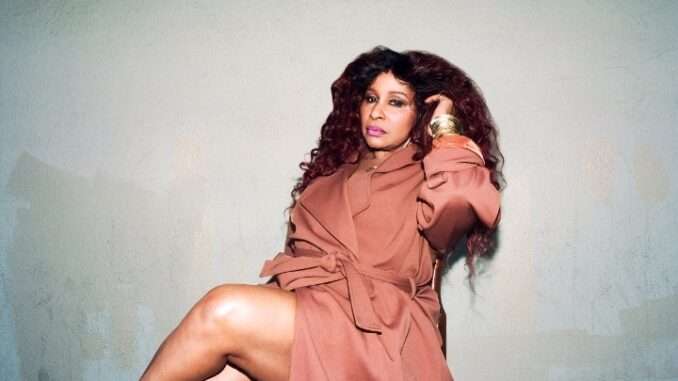
Chaka Khan stands as one of the most electrifying and influential voices in the history of popular music. Known popularly as the “Queen of Funk,” her powerful vocals and genre-defying creativity have captivated audiences worldwide for over five decades. Yet, beyond her chart-topping hits and dynamic stage presence lies a far more profound story—one that illuminates her significant but often underappreciated cultural impact. This blog post explores the overlooked aspects of Chaka Khan’s influence and how her work connects with broader cultural movements in the United States and globally, especially in the 21st century.
Early Life, Activism, and the Foundation of Identity
Born Yvette Marie Stevens on March 23, 1953, in Chicago, Illinois, Chaka Khan’s story begins amid the social upheaval of the 1960s civil rights era. Influenced by her community and the broader struggle for racial equality, she joined the Black Panther Party as a young woman, actively participating in their social programs and activism. Her new name, given by a Yoruba priest, means “woman of fire”—a powerful symbol of cultural reclamation and Afrocentric pride. This period shaped her lifelong commitment to empowerment, resilience, and community, themes that pulse through her music and public life.
Traditional media often emphasize her vocal prowess and commercial success but rarely highlight her roots in activism or the way she integrates themes of Black empowerment and feminist identity into her art. Her early involvement with the Black Panthers grounds her musical legacy in a history of social justice that still influences her work today.
Musical Innovation and Cultural Bridges
Chaka Khan broke barriers by blending genres, crossing lines between R&B, funk, jazz, soul, pop, gospel, rock, and even classical music. Her breakthrough as the lead singer of the band Rufus in the 1970s with hits like “Tell Me Something Good” and “Ain’t Nobody” earned critical acclaim and laid the foundation for a solo career marked by chart-toppers such as “I’m Every Woman” and the genre-fusing “I Feel for You.” Her incorporation of rap segments and collaborations with hip-hop artists decades ago positioned her as a trailblazer who helped bridge traditional soul music with emerging contemporary styles.
Her music acts as a soundtrack for broader cultural shifts, particularly the rise of Black cultural pride and second-wave feminism. Songs like “I’m Every Woman” serve as anthems of female empowerment and unity, celebrating the intersectionality of race and gender at a time when such voices were often marginalized in mainstream culture.
The 21st Century: Continued Relevance and Cultural Advocacy
In the 21st century, Chaka Khan remains more than a music icon—she is a humanitarian, cultural advocate, and role model. Her foundation supports women and children at risk, while she actively engages in philanthropy and community upliftment. Her openness about struggles, including battles with addiction and recovery, resonates with global movements emphasizing mental health awareness and transparency.
Moreover, Khan has adapted continually to global music trends, collaborating with younger artists and performing at major festivals worldwide. This adaptability underscores her role as a cultural bridge connecting older generations’ experiences with new voices and audiences internationally.
Her impact extends beyond entertainment into cultural conversations about Black identity, feminism, resilience, and authenticity. By embodying these values publicly and through her art, Chaka Khan participates actively in shaping 21st-century cultural movements that seek to balance tradition and progress.
Legacy Beyond Music: A Symbol of Empowerment and Transformation
Chaka Khan’s legacy transcends her title as the Queen of Funk. She embodies a complex cultural narrative that blends musical innovation with activism and social consciousness. Her career reflects the powerful potential of art as a force for societal change, inspiring generations to embrace authenticity, pride, and resilience.
Understanding her significance means seeing her as a cultural force who continues to inspire and unify across boundaries—racial, generational, and geographical—making her an enduring icon well beyond music charts.
Chaka Khan’s full story invites deeper appreciation not only of her musical genius but also of her vital role as a cultural leader and advocate in the 21st century.
Leave a Reply