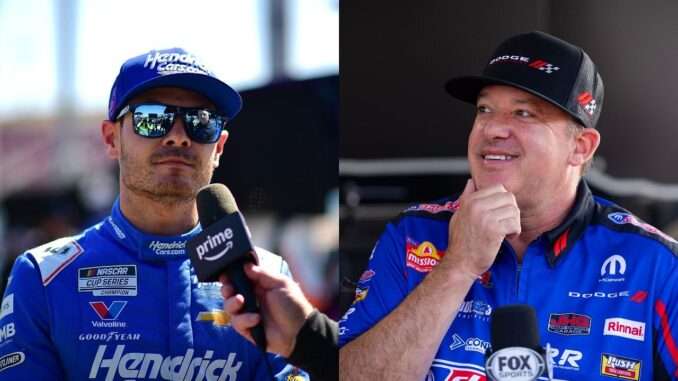
The sprint car racing world was set abuzz recently when Kyle Larson broke his silence on the headline-grabbing deal between Tony Stewart Racing and Rico Abreu. At first glance, the partnership seems like a match made in motorsport heaven: a legendary driver and team owner pairing up with a rising star, combined with top-tier equipment and elite crews poised to dominate the 2026 season. But beneath the excitement, Larson’s candid remarks have stirred a growing debate—and even concern—about the long-term effects this blockbuster deal could have on the sport.
Unpacking Larson’s Concerns: Losing a Team in the Ecosystem
In a video statement that has since gone viral within sprint car circles, Larson remarked pointedly, “we’re losing a team in the whole ecosystem.” His comment strikes at the heart of a critical issue: the consequences of consolidation in sprint car racing. While bigger teams and splashy partnerships like Stewart and Abreu’s bring undeniable benefits—resources, visibility, and professionalism—they can also crowd out smaller teams that struggle to compete when the sport’s landscape becomes dominated by a few major players.
This “ecosystem” Larson refers to captures the vibrant network of independent teams, grassroots racing operations, and local heroes who form the sport’s backbone. When one powerhouse deal absorbs or sidelines these smaller outfits, the diversity and accessibility that fans and racers cherish risk erosion.
The Rise of Franchise Models: High Limit Racing’s Influence
Larson’s concerns come on the heels of the franchise model pioneered by High Limit Racing, which has already begun to reshape sprint car racing’s organizational structure. Unlike the traditional model where independent teams find sponsorships and nurture talent organically, franchise models consolidate control and branding under umbrella organizations with centralized management and standardized resources.
While franchises promise stability, premium gear, and enhanced marketing, they simultaneously reduce the number of independent entrants and can shift the focus from developing local talent to prioritizing brand consistency and profitability.
Larson sees the Stewart-Abreu partnership as a step further down this path, signifying a seismic shift that could reshape how sprint car racing operates at its core.
What Fans May Gain—and What They Could Lose
The immediate impact of the Stewart and Abreu deal is easy to spot. Fans will likely witness a new level of competition with one of sprint car racing’s most talented duos combining forces. The deal promises faster cars, sharper strategies, and more engaging race days backed by big budgets and cutting-edge technology.
However, Larson cautions that these gains could come at a significant cost. As smaller teams struggle to find footing, the character and accessibility of sprint car racing may dwindle. The very elements that attracted many fans and drivers—the local underdog stories, community connections, and diverse entry points for new talent—may fade as power concentrates among a few elite teams.
The Bigger Picture: Survival of the Sport’s Soul
The ongoing transformations raise a fundamental question about sprint car racing: What is the sport’s soul, and can it survive the wave of mergers and money-driven deals? Larson’s perspective underscores this dilemma. On one hand, star-studded partnerships elevate the sport’s profile and increase its commercial appeal; on the other, they risk alienating the grassroots scene that nurtured the sport’s unique culture for decades.
Sprint car racing has long been a playground for passionate racers and devoted fans who thrive on close-knit communities and the thrill of open competition. If that environment is replaced by a corporate-dominated landscape, the sport could lose its identity—and with it, the very passion that fuels it.
The Road Ahead: Balancing Growth with Tradition
Moving forward, the sprint car community faces a delicate balancing act. Stakeholders—including team owners, drivers, sponsors, and fans—must grapple with how to encourage growth and professionalization without sacrificing the sport’s diversity and heart.
Some possible paths include:
– Supporting independent teams with grants or sponsorships to keep the ecosystem healthy.
– Encouraging partnerships that retain local ties and support grassroots racing.
– Creating league structures that promote fair competition despite disparities in team budgets.
– Engaging fans in discussions about the sport’s future to ensure their voices shape its evolution.
Kyle Larson’s candid warning about the Tony Stewart Racing and Rico Abreu deal has opened up a vital conversation about the future of sprint car racing. While top-tier partnerships bring excitement and opportunity, they also pose risks that could fundamentally alter the sport’s ecosystem. The challenge ahead lies in navigating these changes wisely, preserving the soul of sprint car racing while embracing its natural growth.
For fans, racers, and insiders alike, Larson’s words serve as both a wake-up call and a rallying cry—to protect what makes sprint car racing special even in an era defined by mergers and money.
Leave a Reply