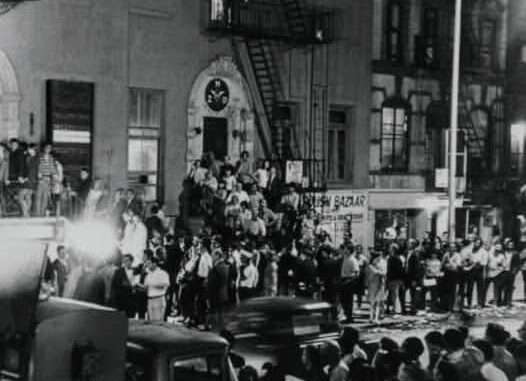
On a crisp autumn evening of October 7, 1967, a vibrant crowd eagerly lined up outside the Electric Circus, a legendary multimedia hotspot nestled in the heart of Manhattan’s East Village on St. Mark’s Place. This was no ordinary nightclub—it was an immersive sensory playground where avant-garde performances collided with revolutionary music, psychedelic visuals, and an atmosphere crafted to electrify every sense.
The Electric Circus was the brainchild of visionary creators Jerry Brandt, Stanton J. Freeman, and their partners, designed to be New York’s ultimate “mixed-media pleasure dome.” At its core, the club sought to be a place where guests could “play games, dress as you like, dance, sit, think, tune in and turn on,” embodying the free-spirited ethos of the late 1960s counterculture.
When the doors opened, visitors were enveloped in a kaleidoscope of experiences. Flashing strobe lights lashed across an expansive dance floor, bathing the crowd in pulsating patterns that summoned ecstatic movement. Liquid light shows painted swirling, vibrant colors onto walls and ceilings, paired with experimental soundscapes that defied traditional musical boundaries. The cacophony of sights and sounds invited patrons to lose themselves in the moment, transcending reality.
But the spectacle didn’t stop with lights and music alone. The Electric Circus was aptly named for its circus-like attractions that animated the space between the musical acts. Trapeze artists swooped gracefully overhead, daring jugglers breathed fire to astonish the crowd, and escape artists amazed viewers with their thrilling feats. These performers coexisted with an eclectic cast of characters—body-painted “chaperones” donned in wildly bizarre costumes roamed the rooms, adding to the fantastical aura.
The club’s many rooms each offered a unique ambiance: the “rubber room” was filled with colorful mists that swirled and glowed under blacklights; a “dark” room provided a shadowy sanctuary and a place of mystery; and, for moments of calm amidst the sensory storm, a violinist softly played melodies meant to soothe and restore the soul. One could wander from the dizzying excitement of the rotating carousel to the quietude offered by thoughtful musical interludes.
The Electric Circus was a revolutionary fusion of art, music, and performance, hosting experimental bands like the Velvet Underground and The Grateful Dead, soul legends like Ike and Tina Turner, and avant-garde composers such as Terry Riley. This was a place where the boundaries of entertainment expanded beyond the norm, embracing the spontaneous and the surreal.
This venue was also known for nurturing early performances by soon-to-be legendary acts—the Allman Brothers Band, Sly and the Family Stone, and others graced its stage before achieving superstardom. The atmosphere was inclusive, liberating, and bursting with creative energy, drawing in a diverse crowd from the bohemian East Village scene to curious visitors from all over New York City.
The cultural significance of the Electric Circus extended beyond its spectacular shows. It symbolized the spirit of a vibrant, transformative era—a melding of psychedelic art, countercultural ideals, and groundbreaking music. Andy Warhol and filmmaker Paul Morrissey had even been involved in its early incarnations, creating avant-garde multimedia events like the “Exploding Plastic Inevitable” prior to its rebranding as the Electric Circus.
Though the Electric Circus finally closed its doors in 1971, its legacy has reverberated long after. The experience of flashing strobes, liquid lights, flame-throwing jugglers, trapeze artists, and the surreal carnival atmosphere helped shape the future of nightclub culture and live performance art. Not just a venue, it was a transformative playground that expanded the limits of sensory experience and unshackled artistic expression.
Today, looking back at photos of that iconic evening on October 7, 1967, one can almost hear the roar of the crowd, see the vibrant colors swirling through the rooms, and feel the electric pulse that made the Electric Circus a beacon of creativity in the East Village. It remains remembered not simply for the acts it hosted but for the atmosphere it created—a place where music, art, and the human spirit collided in joyous, wild celebration.
The Electric Circus was more than a nightclub; it was an immersive storybook of the 1960s, a place where the senses were assaulted and liberated, and a timeless symbol of an unforgettable era in New York City’s cultural history.
Leave a Reply