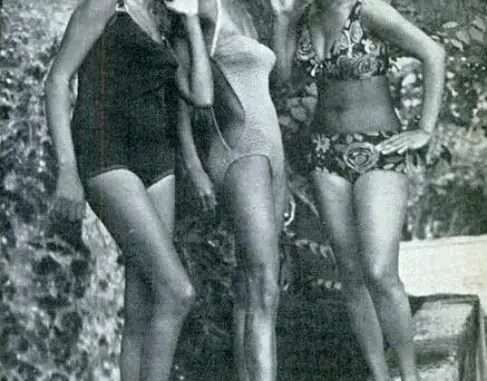
In the annals of American music history, few names shine as brightly—or as enduringly—as The Supremes. Born in the heart of Detroit under the nurturing wing of Berry Gordy’s Motown label, The Supremes would go on to become the most commercially successful girl group in history. Their elegant style, harmonious vocals, and polished choreography not only broke barriers but also redefined what it meant to be Black, female, and fabulous in the mainstream music scene of the 1960s.
Among the many incarnations of The Supremes, one lineup stands out as both transformative and iconic: Diana Ross, Mary Wilson, and Cindy Birdsong. This trio encapsulated a defining era for Motown, delivering chart-topping hits while navigating the pressures of fame, industry politics, and social change.
The Rise of The Supremes: A Dream from the Projects to the Palace
The Supremes began as The Primettes in the late 1950s—a high school quartet that included Florence Ballard, Mary Wilson, Diana Ross, and Betty McGlown. By 1961, with McGlown replaced by Barbara Martin and the group renamed The Supremes, they signed with Motown. It wasn’t until 1964, after Martin had left and the group had been streamlined into a trio, that they struck gold with “Where Did Our Love Go.”
From that moment, The Supremes rocketed to stardom. In the mid-60s, they rivaled The Beatles in popularity, scoring hit after hit: “Baby Love,” “Come See About Me,” “Stop! In the Name of Love,” and “You Can’t Hurry Love.” These weren’t just songs—they were cultural milestones that underscored the changing face of America during the civil rights era.
Diana Ross: The Superstar in the Spotlight
Diana Ross, with her silky, emotive vocals and magnetic stage presence, was at the center of the Supremes’ appeal. Her voice became synonymous with the group’s identity, and her poise projected an image of aspirational glamour for Black women across the country.
By 1967, Motown had its sights set on Diana Ross as a solo act. To ease the transition, the group was rebranded as Diana Ross & The Supremes—a move that acknowledged her growing stardom but also sowed seeds of division within the group. Despite the change, the trio continued to deliver hits like “Reflections,” “Love Child,” and “Someday We’ll Be Together.”
Ross’s ascent was both meteoric and carefully managed by Berry Gordy, who had a personal and professional investment in her success. She departed the group officially in 1970, but her influence lingered long after. Ross would go on to become a solo legend, with a career that spanned music, film, and fashion—forever cementing her place in entertainment history.
Mary Wilson: The Steadfast Soul of The Supremes
If Diana Ross was the face of The Supremes, Mary Wilson was its heart. A founding member from day one, Wilson’s smooth contralto provided the perfect complement to Ross’s lead vocals. More than that, Wilson’s quiet strength and loyalty anchored the group through numerous transitions and internal challenges.
Unlike Ross, Wilson didn’t pursue a high-profile solo career—though she did release several solo efforts—but her contribution to The Supremes extended beyond the microphone. She was a fierce advocate for the group’s legacy, often pushing back against efforts to rewrite its history or minimize the contributions of other members.
Her memoir, Dreamgirl: My Life As a Supreme, offered a raw and insightful look behind the glittering curtain, detailing the highs and lows of life in one of music’s most storied acts. Wilson remained with The Supremes until the group officially disbanded in 1977, making her the longest-tenured member and, arguably, its spiritual core.
Cindy Birdsong: The Elegant Bridge Between Eras
Cindy Birdsong joined The Supremes in 1967, replacing founding member Florence Ballard under controversial circumstances. Though stepping into such big shoes might have daunted many, Birdsong handled it with grace and professionalism.
She came from another Motown girl group, Patti LaBelle & The Bluebelles, and brought with her a distinct vocal style and a calm, collected demeanor. Her arrival coincided with a period of major change—not only in the group’s lineup and branding but also in their musical direction. The Supremes began incorporating more socially conscious themes into their songs, as seen in hits like “Love Child” and “I’m Livin’ in Shame.”
Birdsong’s contributions were often overshadowed by the drama surrounding Ross’s exit and Ballard’s tragic downfall, but make no mistake—her role was crucial. She offered stability during a tumultuous time and helped bridge the group into its 1970s phase, which included collaborations with The Four Tops and various new members.
A Supremely Complex Legacy
The story of Diana Ross, Mary Wilson, and Cindy Birdsong isn’t just about music—it’s about ambition, identity, and sisterhood under the spotlight. It’s about three Black women navigating an industry that often tried to pit them against one another, even as they stood together on stage in perfect harmony.
Their time together was brief in the grand timeline of the Supremes, lasting only from 1967 to 1970, but it was monumentally impactful. They recorded hits that defined a generation, played sold-out venues around the world, and represented elegance and excellence at a time when Black artists still faced enormous societal obstacles.
They were style icons with their coordinated gowns and coiffed hairdos. They were voices of a movement, providing the soundtrack to civil rights marches and changing social tides. And perhaps most importantly, they were symbols of resilience—proof that even under the most intense pressure, beauty and brilliance could prevail.
The Enduring Influence
The Diana-Mary-Cindy era of The Supremes continues to inspire artists across genres—from Beyoncé and Destiny’s Child to Adele and Lizzo. Their influence is evident in everything from modern girl groups to red-carpet fashion. Yet perhaps their most enduring legacy is the way they redefined representation for African American women in entertainment.
Today, The Supremes are more than just a Motown act; they are a cultural institution. Their music remains timeless, their image iconic, and their story as relevant as ever. The lineup of Diana Ross, Mary Wilson, and Cindy Birdsong stands as a glittering chapter in the legacy of American music—a chapter that reminds us all of the power of talent, determination, and sisterhood.
“Diana. Mary. Cindy. One Golden Era. One Supreme Legacy.”
Share your favorite Supremes song or moment.
#SupremeLegacy #MotownQueens #DianaRoss #MaryWilson #CindyBirdsong #GirlGroupGold #ClassicSoul
Leave a Reply